
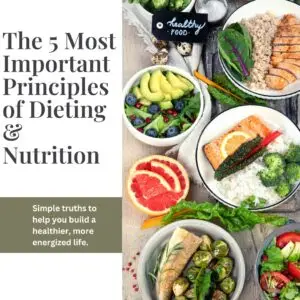
The 5 Most Important Principles of Dieting & Nutrition
Simple truths to help you build a healthier, more energized life.
When it comes to nutrition, the internet can make healthy eating seem complicated. But beneath all the trends and gimmicks, there are five timeless principles that matter most. Focus on these, and you’ll build a strong foundation for long-term health—without the confusion.
- Calorie Balance: The Foundation of Every Diet
At its most basic level, your body follows an energy equation:
- Calorie deficit → weight loss
- Calorie surplus → weight gain
- Calorie balance → weight maintenance
This doesn’t mean you need to count every calorie forever—just that understanding your general intake helps guide better choices. Awareness is power.
- Macronutrient Amounts: Protein, Carbs, and Fats
Your macronutrients determine how your body feels and performs.
- Protein: Essential for muscle, metabolism, and feeling full.
- Carbs: Your body’s preferred energy source—especially for active people.
- Fats: Necessary for hormones, brain health, and nutrient absorption.
You don’t need perfection—just aim for balanced meals with each macro represented.
- Nutrient Timing: When You Eat Matters More Than You Think
While total calories are the foundation, timing your nutrients can improve energy, workout performance, and appetite control.
- Eating protein throughout the day supports muscle repair.
- Carbs are especially helpful before and after workouts.
- A balanced dinner with protein + fiber helps reduce evening snacking.
It’s not about eating on a strict schedule—just being intentional.
- Food Composition: The Quality of Your Calories
All calories aren’t equal in how they affect mood, hunger, and health.
Whole, nutrient-dense foods naturally help you feel better, stay fuller longer, and support digestion.
Aim for:
- Lean proteins
- Fruits & vegetables
- Whole grains
- Healthy fats
- Minimally processed foods
Let simplicity guide you—not restriction.
- Supplements: Helpful… but Not Magic
Supplements can support your goals, but they cannot replace real food, sleep, hydration, and stress management.
Useful supplements for some people may include:
- Protein powder
- Omega-3s
- Vitamin D
- Magnesium
- A quality multivitamin
Use supplements to fill gaps—not to build the foundation.